The Psychology of Furniture: How Interior Design Shapes Emotion, Comfort & Wellbeing in 2026
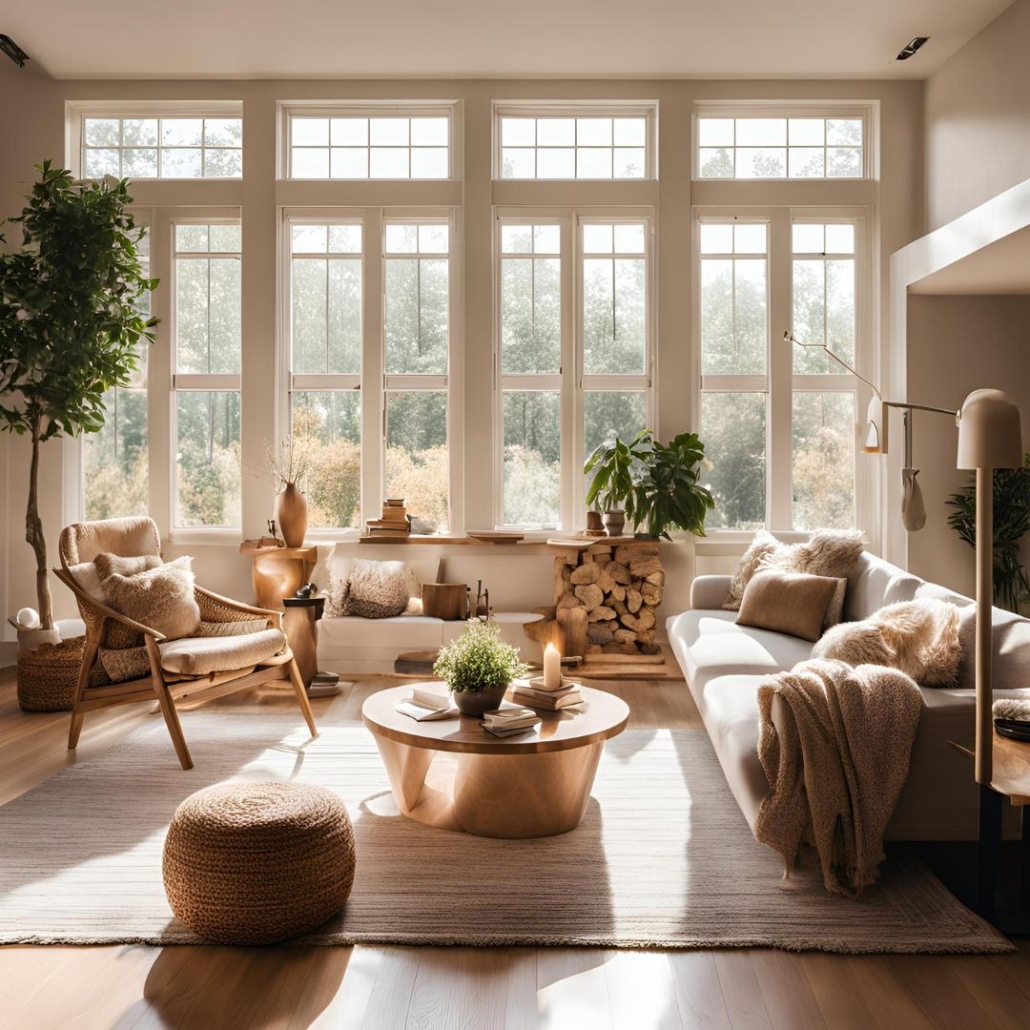
In 2026, interior design is no longer defined only by aesthetics. It is shaped by behavioral science, emotional intelligence, and a growing global understanding of how our surroundings influence the mind and body. Homes are now treated as emotional ecosystems—carefully curated to regulate stress, encourage productivity, and elevate long-term wellbeing.
At Cozyology Furniture Egypt, the philosophy of design goes beyond shape and color. Every curve, material, texture, and spatial decision carries psychological weight. This deep dive explores how furniture and interiors directly impact mood, behavior, and mental health through the lens of 2026’s most influential design concepts.
1. The Science Behind How Furniture Affects the Brain
Modern neuroaesthetic research confirms that the human brain responds instantly to spatial cues.
Neuroscientists now know that:
-
Rounded edges reduce the brain’s threat response
-
Natural materials regulate the nervous system
-
Smooth tactile surfaces increase serotonin
-
Balanced spaces lower cognitive load
Design is not decoration—it is a neurological language.
Furniture becomes a tool that shapes how people feel inside their homes.
2. Wood Psychology: How Natural Materials Influence Mood
Natural wood has one of the strongest emotional effects among all design materials. The brain perceives it as:
-
Safe
-
Organic
-
Grounding
-
Familiar
Each wood species communicates a different emotional frequency:
• Natural Oak
Creates calm, clarity, and emotional grounding. Ideal for living rooms and bedrooms.
• Walnut
Associated with stability, depth, and intellectual confidence. Perfect for offices and statement pieces.
• Beech (Zan)
Clean, bright, and gentle—supports mental clarity and a sense of openness.
• Pitch Pine
Warm, textured, and comforting. Creates emotional safety and homeliness.
The warmth and grain movement in solid wood activate the same neural responses as exposure to nature.
This is why 2026 sees a global return to uncoated, matte, expressive wood grains—a direction that aligns deeply with Cozyology’s natural-wood craftsmanship.
3. Layout Psychology: The Architecture of Movement & Emotion
Space itself can calm—or overwhelm—the mind.
The brain thrives when a room has:
-
Clear circulation paths
-
Balanced negative space
-
Predictable zones
-
A sense of openness
-
Visual anchors
When furniture is placed with intentional spacing:
-
Stress decreases
-
Focus improves
-
The body relaxes naturally
2026 design prioritizes human-centered flow, not crowded layouts or heavy visual noise.
A well-planned space is an emotional ecosystem, not a collection of objects.
4. Texture & Tactile Comfort: How Touch Shapes Emotion
Texture is one of the most powerful emotional triggers in interior design.
Soft, natural, and breathable fabrics like:
-
Linen
-
Organic cotton
-
Bouclé
-
Soft chenille
…tell the brain it is safe.
Coarse or synthetic materials can trigger irritation, overstimulation, or emotional tension.
Neurodesign studies show that tactile comfort reduces cortisol (stress hormone) and increases oxytocin (comfort hormone).
This is why 2026 emphasizes tactile, sensory-driven interiors.
5. Color Psychology: The Emotional Blueprint of 2026
Colors don’t simply “decorate” a space—they program the mind.
2026 color psychology focuses on tones that support emotional regulation:
• Warm Neutrals (beige, sand, cream)
Reduce anxiety and promote calm.
• Olive & Botanical Greens
Ground the nervous system and support clarity.
• Clay, Terracotta & Earth Undertones
Create emotional warmth and connection.
• Off-White & Soft Whites
Boost mental clarity and openness without the harshness of pure white.
The trend across 2026 is clear: colors must support wellbeing, not just visual preference.
6. Lighting Psychology: Light as a Mood Engineer
Lighting is one of the strongest environmental regulators of emotion.
Warm, diffused lighting:
-
Lowers stress
-
Creates softness
-
Enhances relaxation
Cool lighting boosts:
-
Focus
-
Productivity
But becomes overwhelming for long-term living environments.
2026 design emphasizes:
-
Layered lighting
-
Soft shadows
-
Glow zones
-
Circadian-friendly illumination
Lighting becomes a strategic emotional tool, not simply a functional necessity.
7. Outdoor Living & Emotional Wellness
Global research shows that nature exposure reduces stress by up to 60%.
2026 design merges indoor and outdoor experiences to support:
-
Emotional release
-
Sensory balance
-
A sense of expansion
Luxury outdoor furniture made from natural wood, weather-resistant fabrics, and resort-inspired layouts creates psychological escape zones inside the home.
The message is simple:
Wellness is not an added feature—it’s the foundation of modern design.
8. Personalization & Identity: The Emotional Power of Custom Furniture
Custom-made furniture has a measurable psychological effect.
When a client creates something tailored to their identity, their subconscious experiences:
-
Ownership
-
Comfort
-
Self-expression
-
Emotional alignment
Mass-produced pieces create visual noise.
Personalized pieces create emotional coherence.
This is why 2026 is the year of:
-
Custom dimensions
-
Custom finishes
-
Custom fabrics
-
Personalized spatial design
Homes reflect the person—not the catalog.
**Conclusion:
Design in 2026 Is Emotional, Scientific, and Deeply Human**
The future of interior and furniture design is guided by psychology, wellness, and conscious material selection. Every surface, texture, curve, material, and spatial decision influences how people think, feel, rest, and interact with their environment.
In 2026, homes are more than spaces.
They are emotional architectures designed to support clarity, comfort, stability, and joy.
And that is the new definition of modern living.


Leave a Reply
Want to join the discussion?Feel free to contribute!